

Christine was a 20-year-old college student when she found herself in an unexpected pregnancy, facing an unexpected bribe from her unborn child’s father. Although she planned to give birth and parent her baby, the father had another idea: an abortion.
Having been raised pro-life, Christine didn’t feel right about that path and turned the idea down. Communication between her and the father came to a standstill for a while before he came back to her with an offer: $50,000 if she would have an abortion.
“At the time, I was like, ‘No, these are my morals and values, and you don’t need to do that,’” Christine recently explained on the podcast, Unaborted. “‘You can take that money and shove it where the sun don’t shine’—in not so nice words.”
Today, Christine’s son is almost 14 years old. He stands alongside his mom in pro-life advocacy, thankful for his life. Remarkably, Christine says, “My son and his father are now incredibly close.”
While not every woman is faced with a $50,000 bribe to have an abortion, Christine’s experience with the pressure to abort is shared by a large swath of women. According to a 2017 survey published in the Journal of American Physicians and Surgeons, 75 percent of women who had an abortion said they experienced “at least subtle forms of pressure to terminate their pregnancies.” Nearly 1,000 women participated in that survey.
Almost 30 percent of those surveyed admitted that they were “afraid that they would lose their partner” if they didn’t abort their babies. Almost half said they believed their unborn child was a human being at the time of the abortion.
Beyond this survey and some others, there isn’t much more data available about coerced abortions. As a result, Planned Parenthood and other abortion advocates have attempted to downplay the significance of coerced abortions as a form of reproductive coercion.
Who gets hurt in this strategy? Not only the innocent baby, who dies at the hands of an abortionist, but the mother, whose victimization may extend from the home front of domestic abuse, right into the local and global arenas of human trafficking. In other words, women and girls who are already victims of abusers, predators, and traffickers.
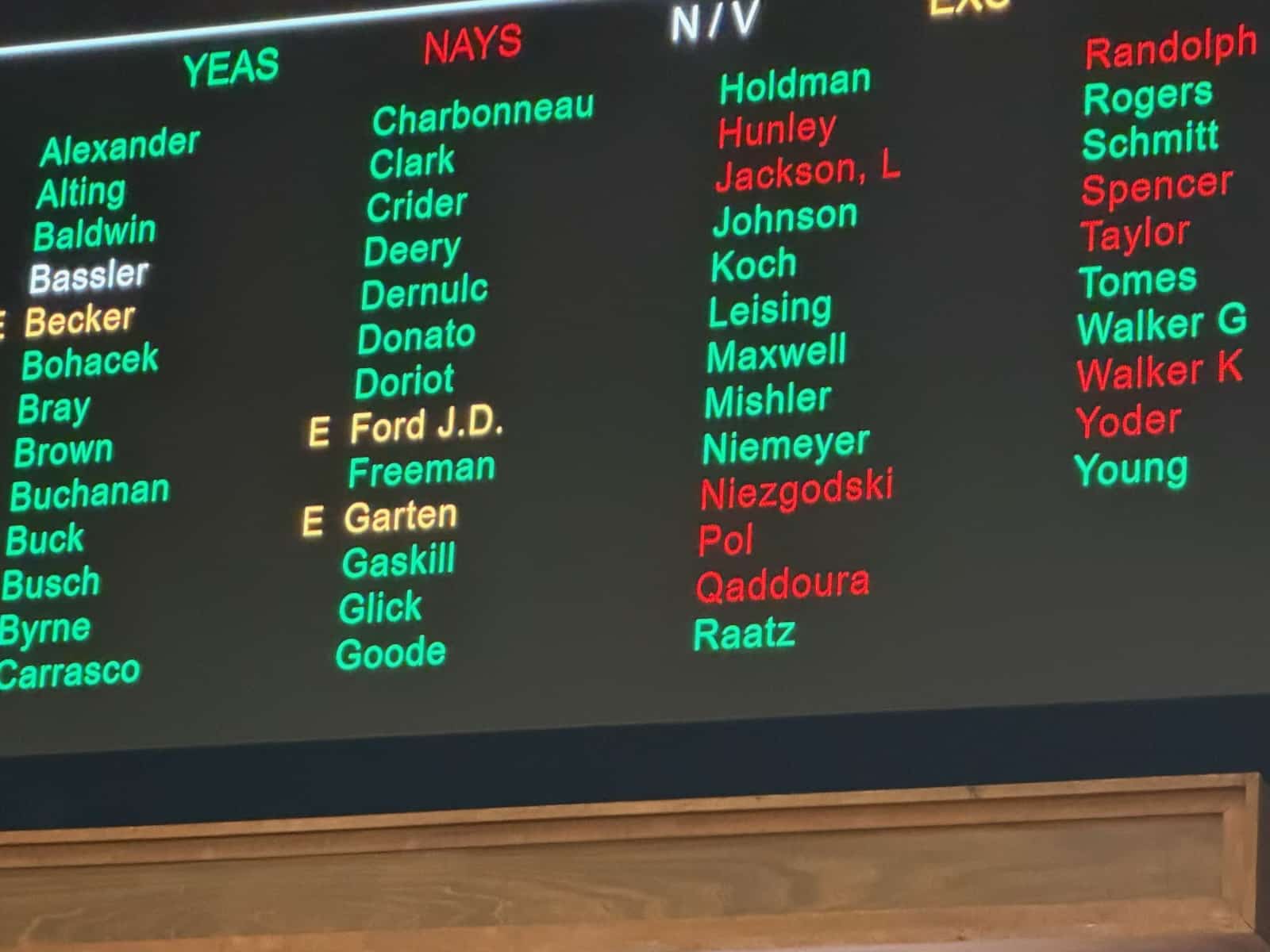
At the end of January, the Indiana House of Representatives passed HB 1217 with a bipartisan vote of 73-18. The legislation, which aims to stamp out coerced abortions in the state, is championed by Indiana Right to Life and opposed by Planned Parenthood.
Over the last week, the resounding talking point of the abortion giant has been that the legislation is “redundant and unnecessary.” Simultaneously, they say the bill is “designed to stigmatize abortion care and limit patients’ ability to get the care they need.”
But if the bill really is “redundant and unnecessary,” how would it also “limit patients’ ability to get the care they need”?
Planned Parenthood argues that coercion is already illegal in the state of Indiana. However, there is no law that provides a penalty for the crime or that targets the problem of coerced abortion specifically. Indeed, there is no law that does anything HB 1217 does. The bill’s safeguards (found nowhere else in current law) include the following:
- A woman must be asked at least 18 hours before an abortion, in a private setting, if she is being coerced into having an abortion.
- If coercion is suspected, she must be informed that coercion is illegal.
- She must also be informed that a demand by the father to have an abortion does not relieve him of financial responsibilities if she wants to continue her pregnancy and parent her baby. He would still be responsible for child support.
- Suspected victims of coerced abortion must be provided with information about assistance, counseling, protective services, access to a phone if they need to make a private call, and access to an alternative exit from the facility.
- A mandatory reporter must report every instance of coerced abortion to law enforcement.
- An abortion on a woman who is a suspected victim of coercion cannot be done during the 24-hour period after a report is made to law enforcement.
- Law enforcement is required to immediately initiate an investigation into the reported coercion.
Latest News

WASHINGTON – Today, U.S. Senator Todd Young (R-Ind.) led a [...]

INDIANAPOLIS (Feb. 3, 2025) — A new analysis from The College [...]
INDIANAPOLIS (January 27, 2026) – Indiana Right to Life spoke out today [...]